
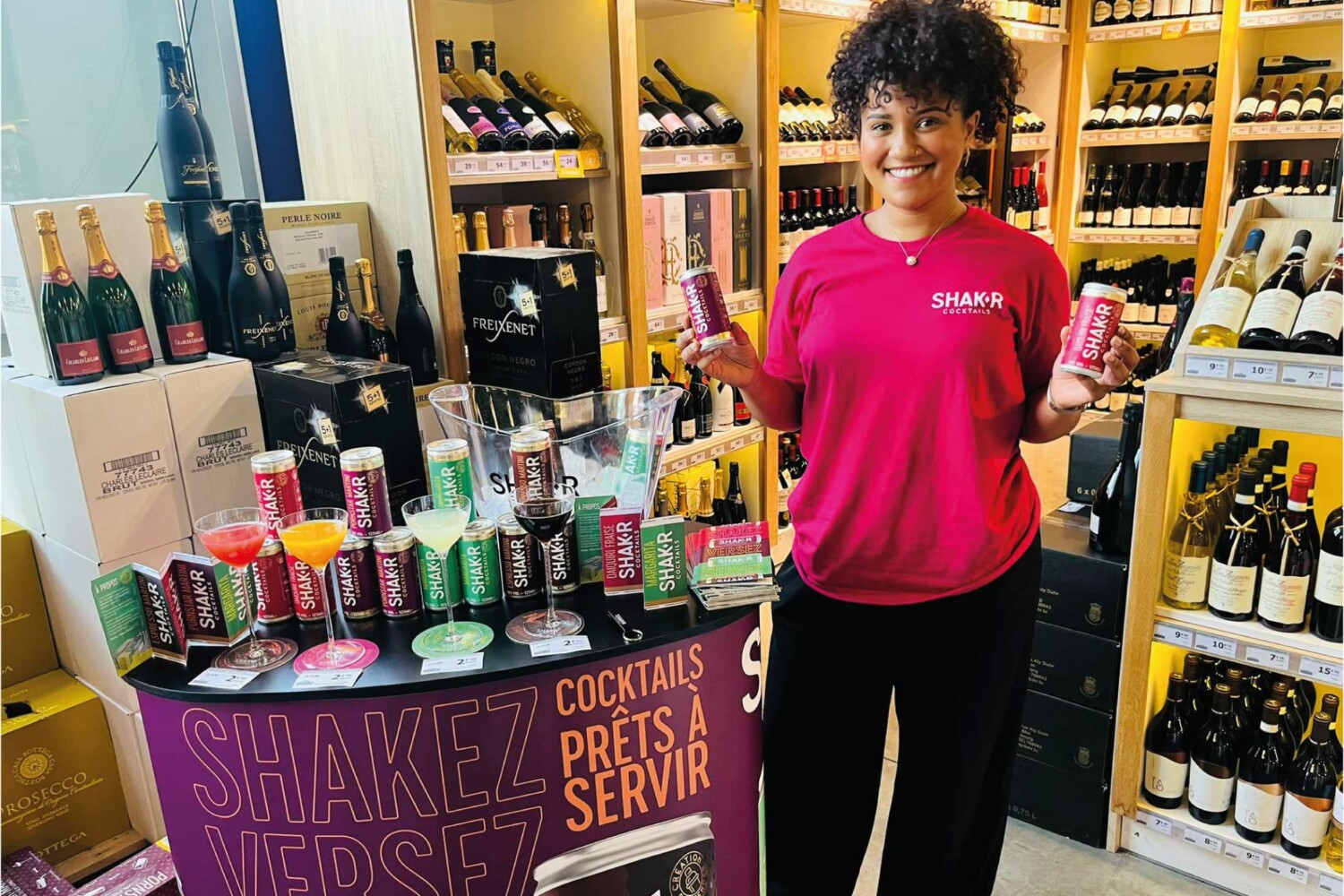
Attracting visitors to the store is a first step, but it doesn’t automatically guarantee sales. Today, consumers are bombarded with information and have an ever-expanding selection of products and brands. To stand out, simply being present on the shelves is no longer enough: you have to create a genuine experience.
This is precisely the role of sales promotion. Whether it’s a tasting stand, a product demonstration, or a promotional campaign, it allows for direct contact with consumers and positively influences their purchasing decisions.
To understand its effectiveness, it is essential to put oneself in the customer’s shoes. Their journey generally follows five successive stages: they notice the animation, stop to watch it, interact with the animator, discover the product, feel reassured, and then make their purchase decision.
Effective sales promotion relies on mastering these five steps. If any one of them is neglected, the conversion potential decreases. Here are the five essential levers that allow you to transform a simple visitor into a buyer.
Step 1: Attract attention and make people want to stop
The first mission of a sales promotion is simple: to capture attention .
In a retail environment where consumers are exposed to hundreds of products, attracting attention has become a real challenge. A few seconds are all it takes to decide whether to stop or continue on your way.
An attractive stand, visible point-of-sale displays, an impactful banner, or a carefully designed product presentation can create a real focal point within the store. This presentation gives the brand greater visibility and naturally sparks the curiosity of visitors.
Even before the first interaction, the visual display helps to enhance the product’s appeal and increase opportunities for contact. Without this initial step, subsequent steps simply cannot take place.
Step 2: Building trust through human interaction
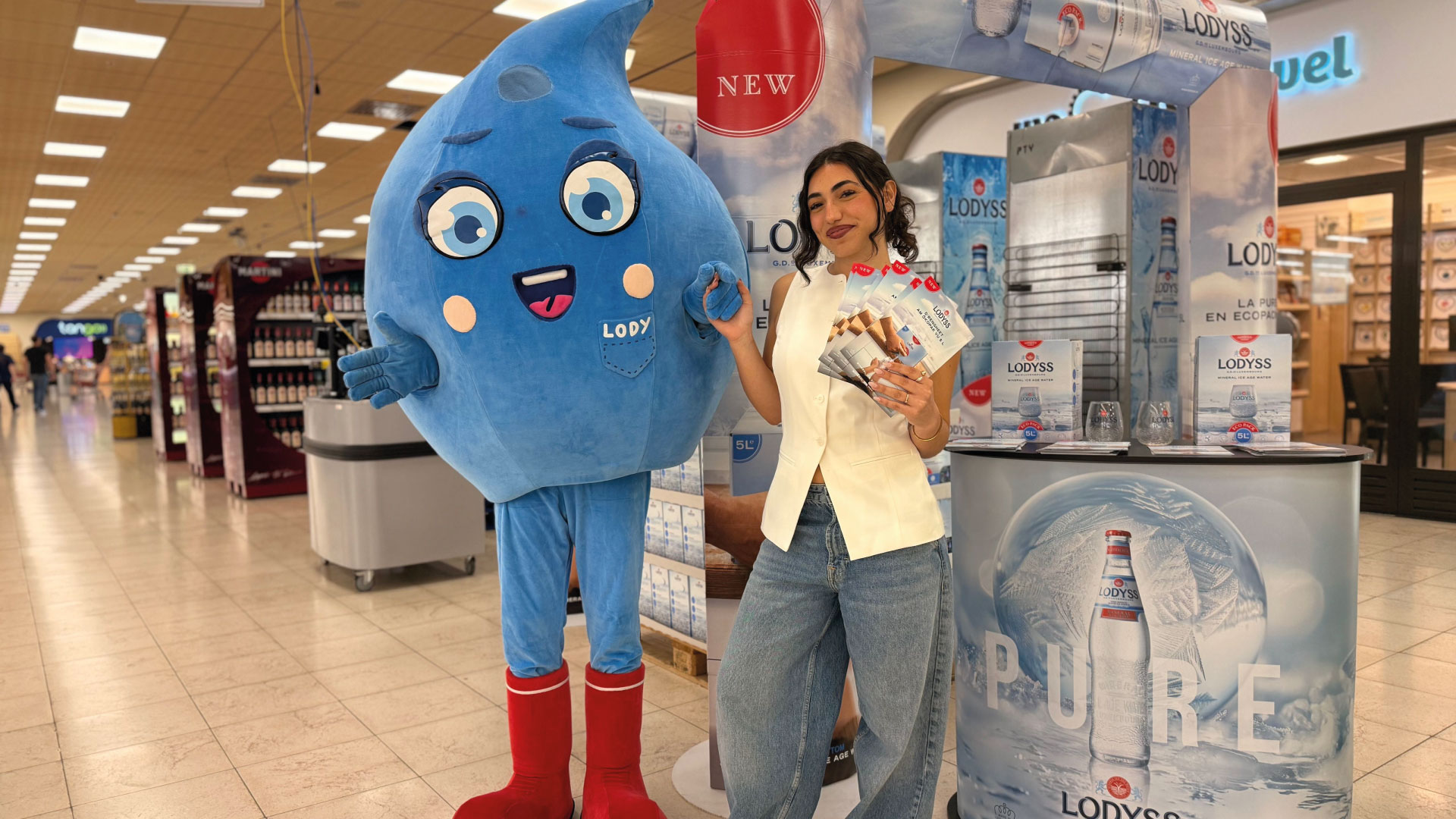
Once the consumer is attracted to the animation, the human element becomes the main driver of conversion .
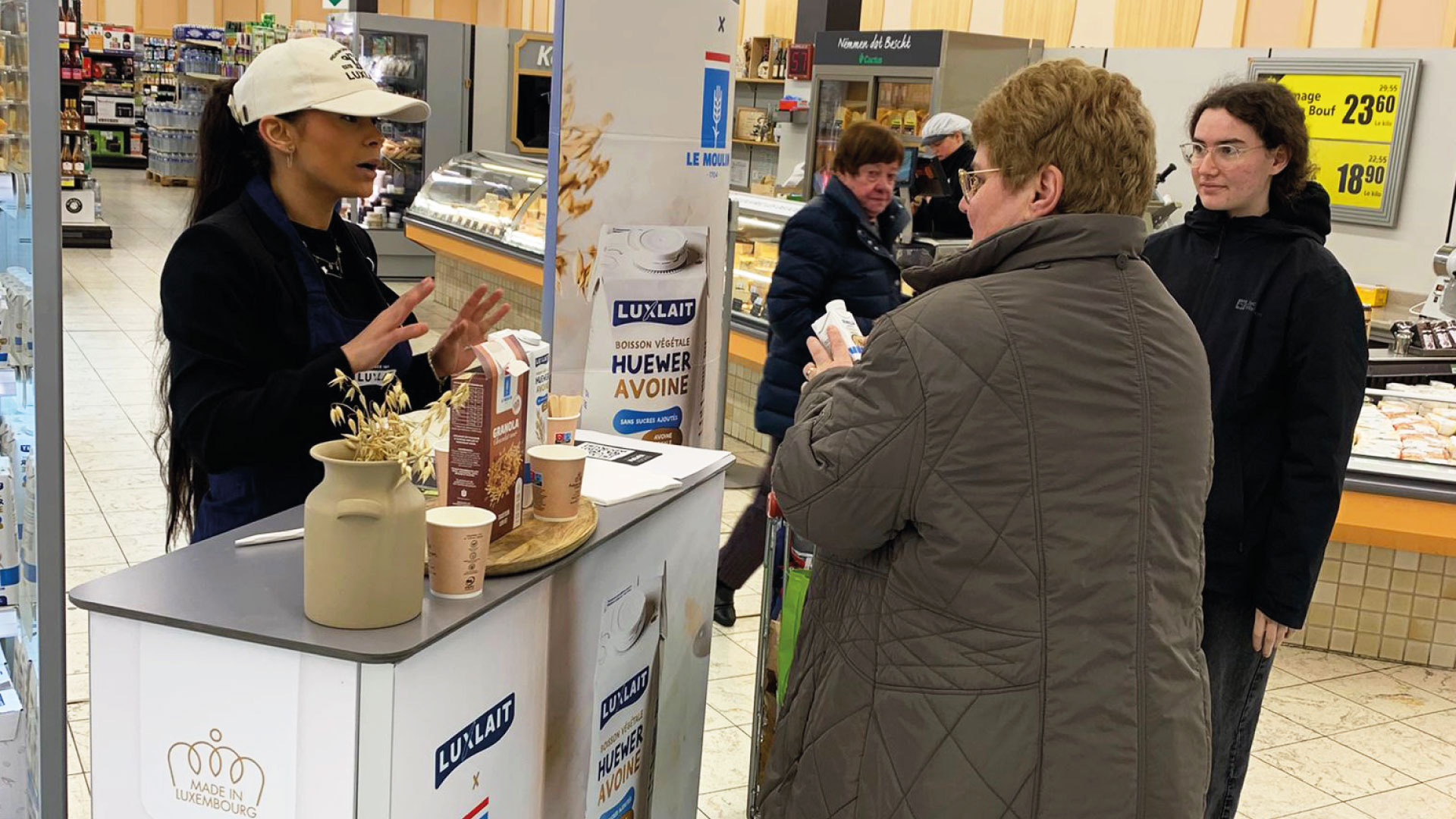
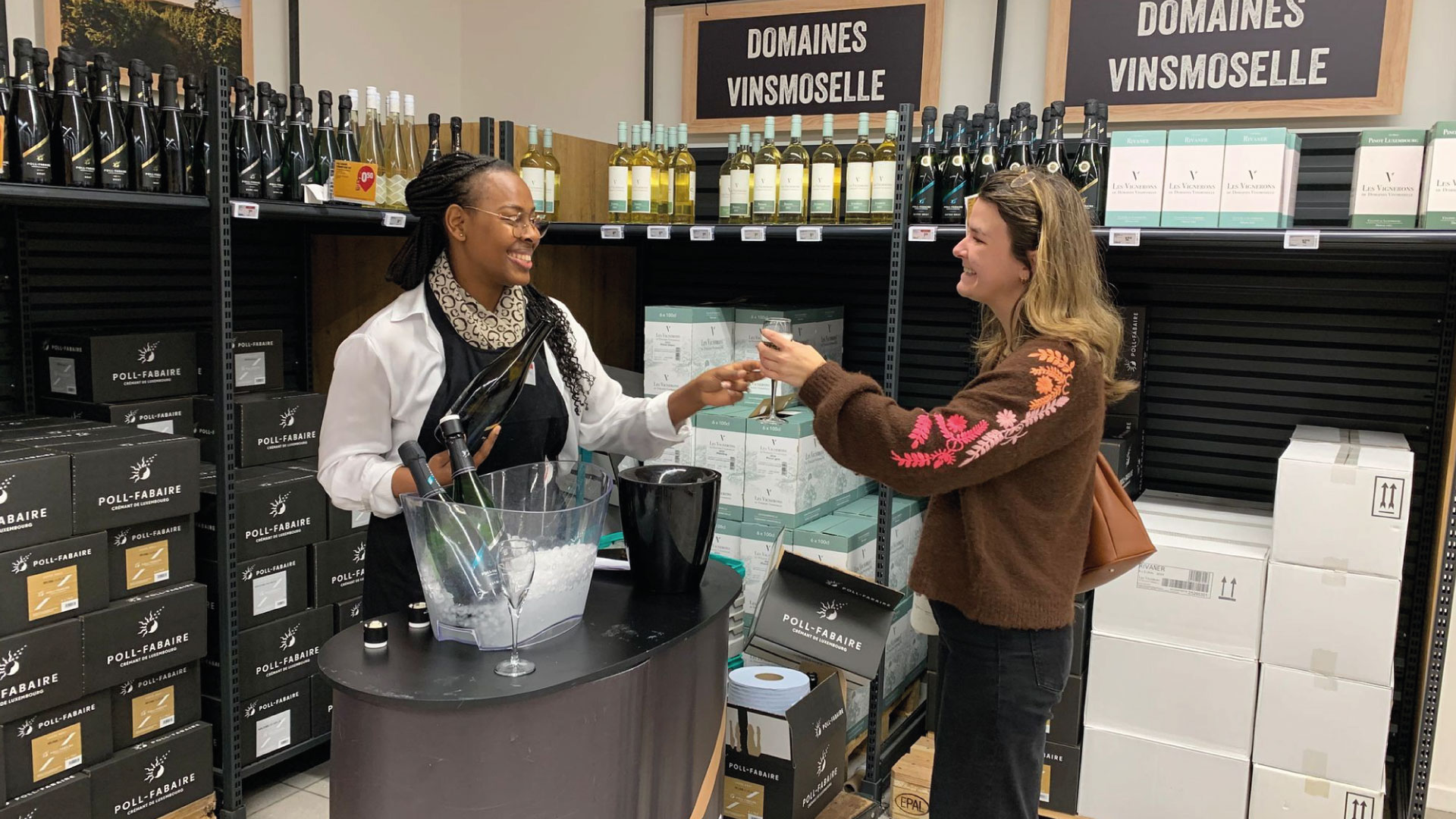
The brand ambassador is much more than just a product presenter: they are the first point of contact between the brand and the consumer. Thanks to their product knowledge, listening skills, and interpersonal ease, they create an authentic exchange that inspires trust .
Trained in sales techniques and customer relations, the facilitators know how to adapt their speech to each profile, identify needs and answer questions in a natural and personalized way.
This human connection brings a unique added value that digital technology cannot replicate. A smile, relevant advice, or a personalized recommendation can make all the difference in the perception of the product and in the purchasing decision.
Step 3: Introduce the product and generate desire
Once trust is established, the consumer must be able to experience the product firsthand.
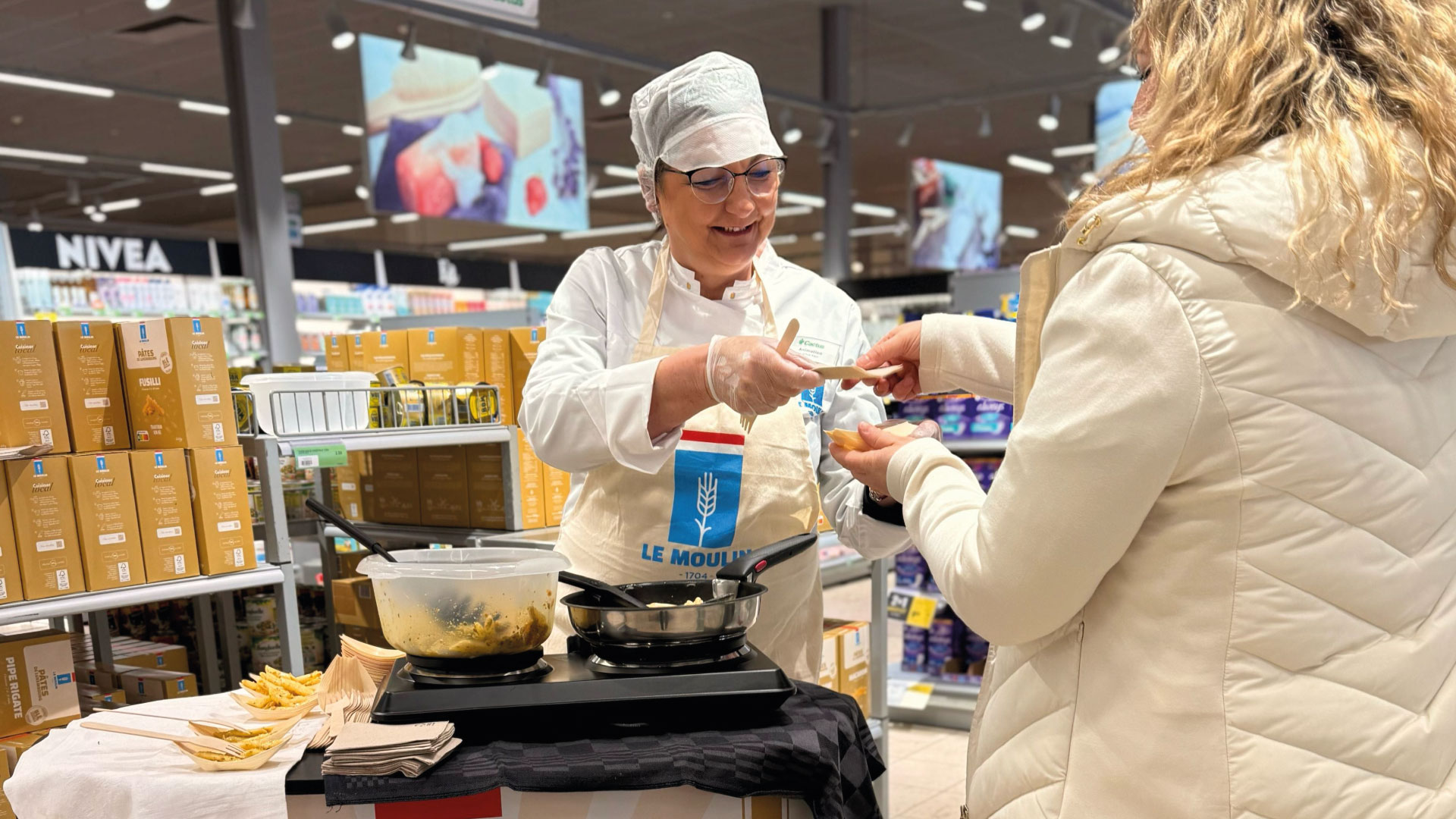
This is one of the main advantages of promotional events. A tasting, a demonstration or a product test allows the consumer to have a direct experience that goes far beyond simply observing a package.
Tasting, touching, smelling, or experimenting creates a stronger connection with the product. This experience significantly reduces perceived risk and helps the consumer envision using it.
The more a customer experiences the product, the more their interest transforms into a desire to buy . The emotion generated by this discovery also plays an important role in brand recall and the perception of its quality.
Step 4: Reassure them to remove any remaining obstacles
Even when a consumer likes a product, certain questions may still hinder their decision.
Promotional events provide a prime opportunity to offer precise and reassuring answers. Composition, origin, manufacturing method, usage instructions, guarantees, and storage guidelines: every piece of information contributes to strengthening consumer confidence .
This reassurance phase is often crucial. It helps to eliminate any remaining doubts and confirm to the client that they are making the right choice.
When a consumer feels informed, advised and supported, they are naturally more inclined to make a purchase.
Step 5: Trigger the purchase decision
Once interest has been created and obstacles removed, sometimes a final push is needed to transform intention into purchase.
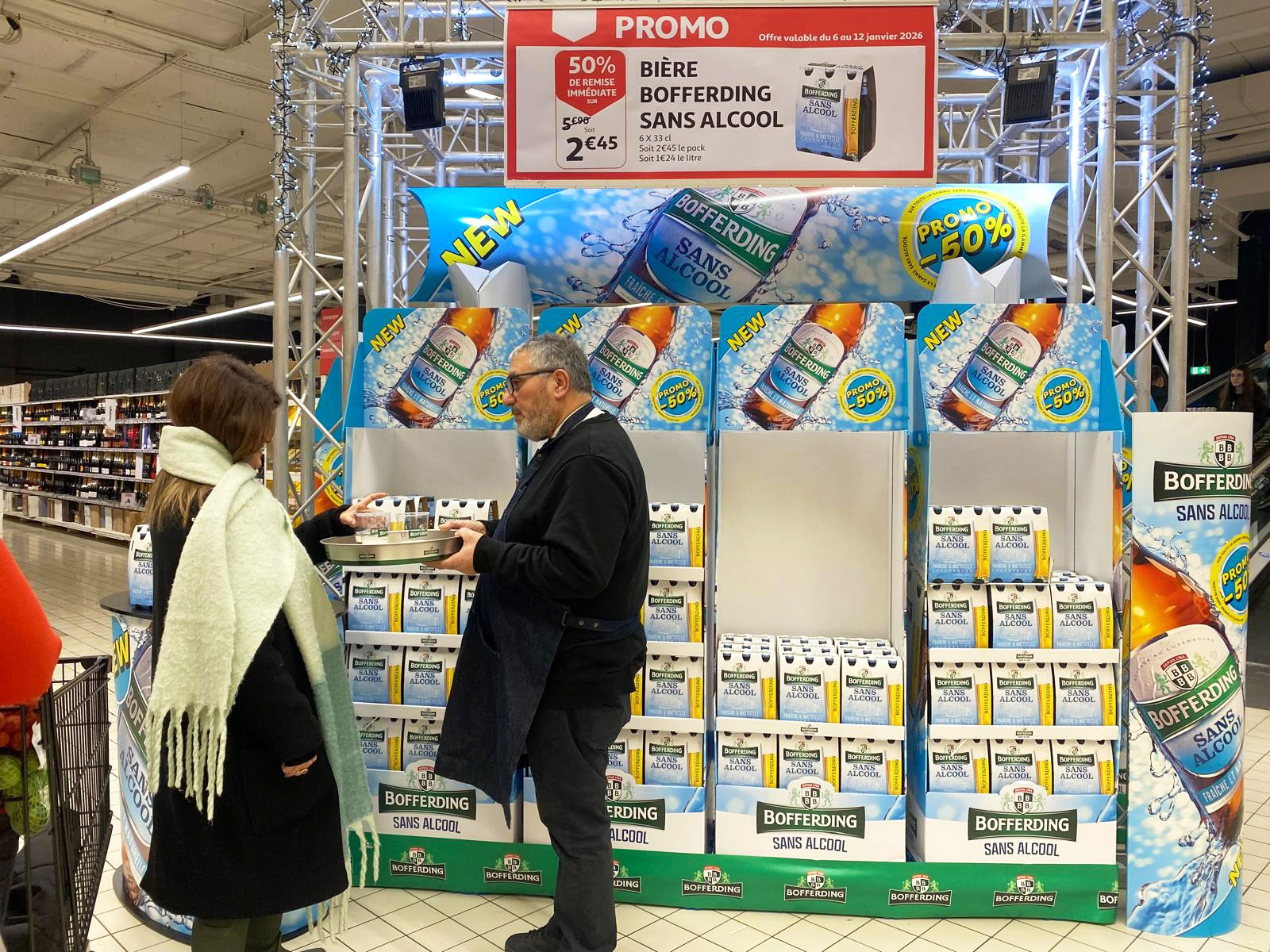
Sales promotions are the ideal time to offer an attractive and consistent product deal: immediate discount, promotional bundle, free product, voucher or additional sample.
The goal is not to devalue the product, but to create a sense of opportunity . The consumer then has an additional reason to buy immediately rather than postponing their decision.
Used at the right time, promotion acts as a conversion accelerator and helps to transform interest into action .
Why these 5 steps are inseparable
The success of a sales promotion never relies on a single factor.
An attractive booth without human interaction generates little engagement. An excellent presenter without product knowledge limits the consumer’s ability to connect with the product. A successful tasting without reassurance leaves doubts lingering. Finally, a promotion without prior trust rarely produces the expected results.
Each step prepares the next and helps to move the consumer forward in their purchasing journey .
It is the combination of these five levers that allows the most effective sales promotions to achieve concrete results in stores.
Conclusion
Turning a simple visitor into a buyer is not a matter of chance. It is the result of a carefully constructed journey that gradually guides the consumer towards the purchase decision.
By attracting attention, creating an exchange of trust, providing a product experience, removing the last obstacles and offering a relevant offer, sales promotion acts as a true sales accelerator.
Brands that master these five steps not only maximize their in-store conversion rates, but also strengthen their visibility, image, and relationship with their consumers.